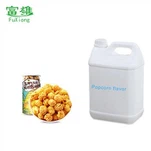
A food additive for flavoring food, which is blended with various flavorings and permitted additives. Addenda include carriers, solvents, additives. Carriers include sucrose, dextrin, gum arabic and the like. The fragrance creation of edible flavors mainly imitates the aroma and taste of natural fruits and foods, focusing on the simulation of aroma and taste.
There are many varieties of edible flavors, which are divided into solid and liquid according to the dosage form. Solid flavors include microcapsule flavors and the like. Liquid flavors can be divided into three categories: water-soluble flavors, oil-soluble flavors, and emulsified flavors. In addition, it can also be classified by fragrance type and use. <br> Microcapsule flavor is made by emulsification and spray drying of flavor and encapsulation agent (such as modified starch, etc.), which has the characteristics of preventing oxidation and volatilization loss, and is mainly used for flavoring solid beverages, seasonings, etc. Water-soluble flavors are prepared by mixing distilled water or ethanol as diluents with edible flavors, and are mainly used for flavoring soft drinks. Oil-soluble flavors are obtained by blending propylene glycol with edible flavors, and are mainly used for flavoring candies, biscuits, etc. Emulsified essence is an oil phase composed of edible flavors, edible oils, specific gravity regulators, antioxidants, preservatives, etc., and an aqueous phase composed of emulsifiers, colorants, preservatives, thickeners, sour agents, and distilled water. It is made by emulsification and high pressure homogenization. It is mainly used for flavoring, flavoring, coloring or turbid soft drinks and cold drinks. Edible flavors are the basis for the development of edible flavors, and the focus of its development tends to be natural flavors and/or similar to natural flavors. In recent years, a large number of new nitrogen-containing, sulfur-containing and oxygen-containing heterocyclic food flavors have been synthesized at home and abroad, such as pyrazine, thiophene and furan compounds, etc., and further formulated into different flavors for various convenience foods, Artificial foods, such as artificial beef, pork, chicken and seafood, have promoted the development of the food industry. Edible flavors refer to the fragrance of natural foods, and use natural and natural equivalent spices and synthetic spices to carefully prepare various flavors with natural flavors. Fragrance type. Including fruit water and oil quality, milk, poultry, meat, vegetables, nuts, preserves, emulsification and alcohol and other flavors, suitable for beverages, biscuits, cakes, frozen food, candy, seasoning raw materials, dairy products, canned food, wine and other foods. The dosage forms of edible flavor are liquid, powder, microcapsule, slurry, etc.